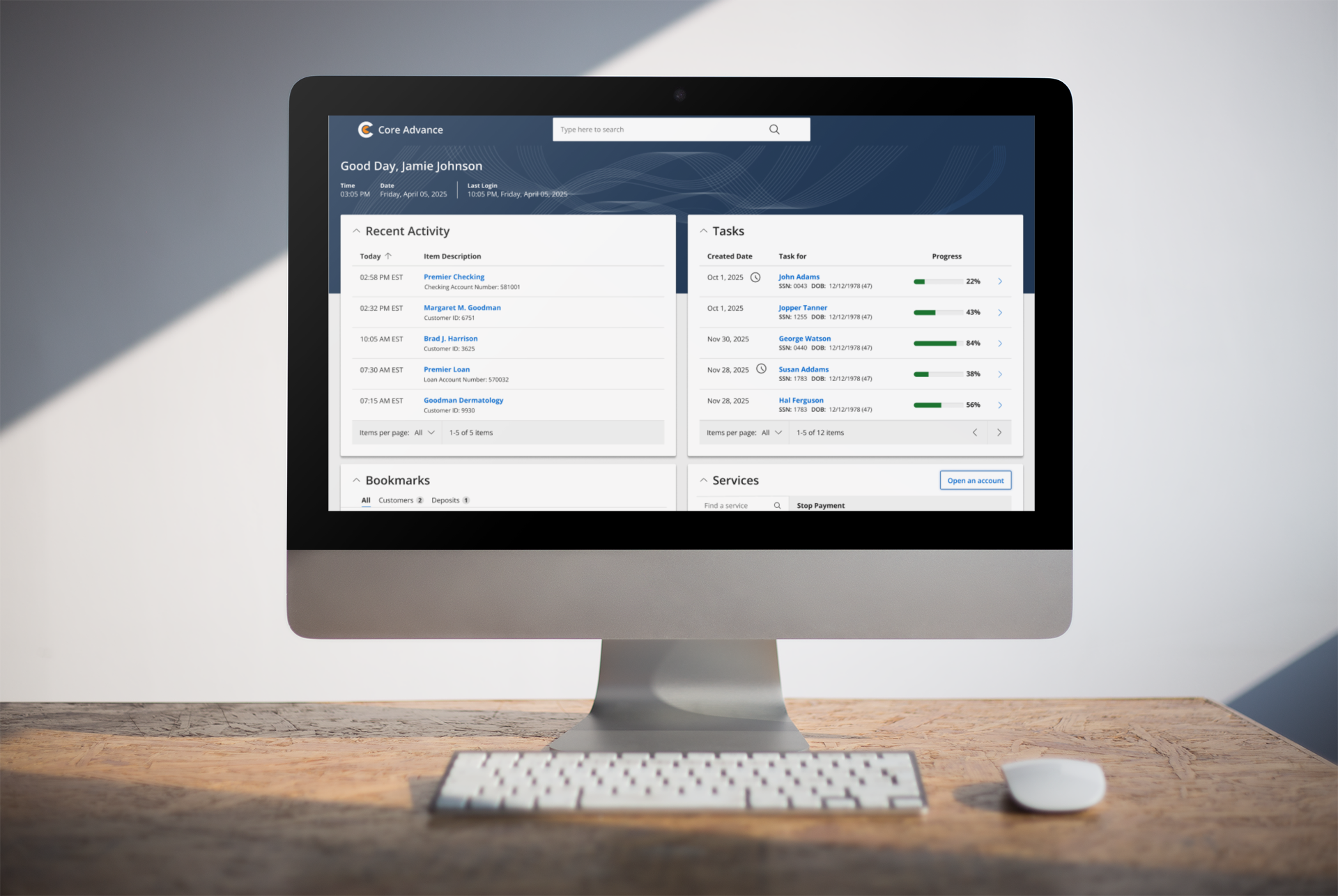
CoreAdvance:
Designing a Unified Core Banking Platform
TL;DR
As Lead UX/Product Designer for CoreAdvance, I helped define the experience strategy for Fiserv’s next-generation core banking platform, unifying three legacy systems into a single modern solution. Through user research, advisory-panel collaboration, and scalable information architecture, we streamlined fragmented workflows into a cohesive platform supporting AI integration, real-time transactions, CRM, and document management. Early releases drove a 12% increase in product orders within 10 days, validating the value of a user-centered, iterative approach to enterprise modernization.
Overview
CoreAdvance is the newest offering in Fiserv’s Bank Solutions portfolio, an initiative to modernize and unify three of Fiserv’s most widely used core banking platforms into a single, next-generation system.
The goal was ambitious: replace fragmented workflows and legacy systems with a single, modern core platform delivering consistent experiences, real-time capabilities, and scalable innovation for financial institutions.
As Lead UX/Product Designer, I helped define the user experience vision, information architecture, and design strategy guiding the platform’s evolution.
Duration: Ongoing
My Role
Lead UX / Product Designer
I led UX direction across the initiative, responsible for:
Driving UX strategy and experience roadmap
Defining information architecture for the unified platform
Guiding and mentoring designers across workstreams
Facilitating research and client feedback loops
Partnering with product managers and engineering leadership
Creating early concepts, sketches, wireframes, and prototypes
Advocating for user-centered decision-making at organizational scale
The Challenge
Historically, banks using Fiserv cores relied on multiple disconnected tools outside their core platform to manage customers, documents, and workflows.
This fragmentation created:
Data silos across systems
Manual and redundant processes
Increased operational errors
Slow customer service workflows
Inconsistent user experiences
Problem Statement
To manage customers and accounts effectively, bank employees were forced to rely on disjointed tools and manual processes outside their core system, resulting in inefficiency, reduced productivity, and difficulty delivering timely, personalized service.
Vision
Fiserv’s strategy was to lead with a single core platform — combining the functionality of three legacy systems while introducing modern capabilities such as:
Real-time transactions
Embedded account opening
CRM workflows
Document management
AI-assisted interactions
The challenge was not just consolidation, but designing a cohesive experience from historically different products and mental models.

Research & Discovery
We began with extensive user research across banks using each of the three legacy cores.
Research Activities
On-site user interviews and observational studies
Workflow and task analysis
Comparative and competitive analysis
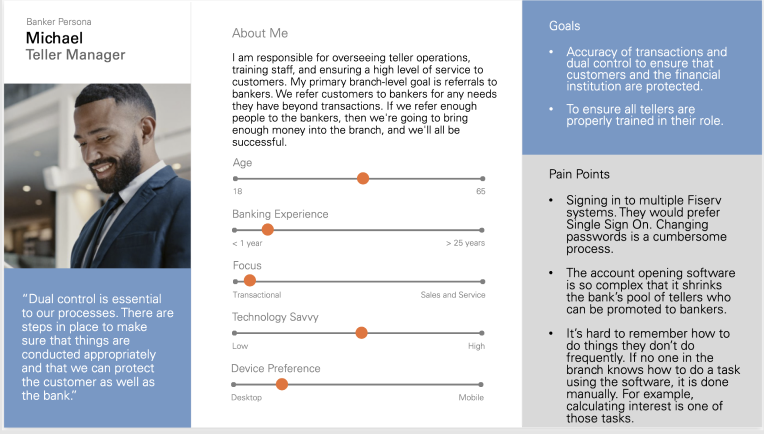
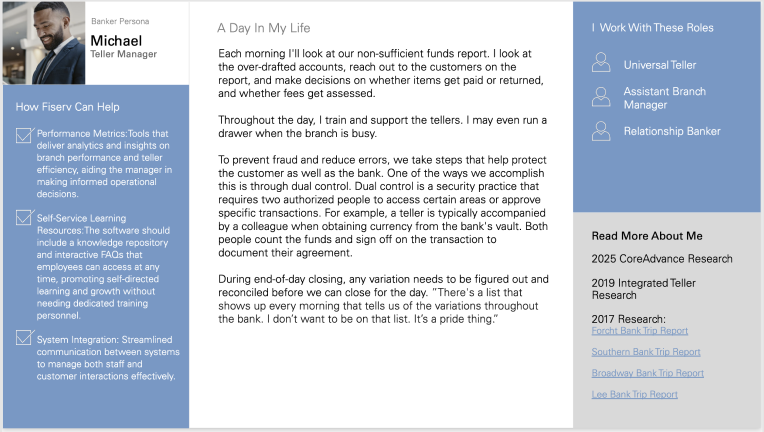
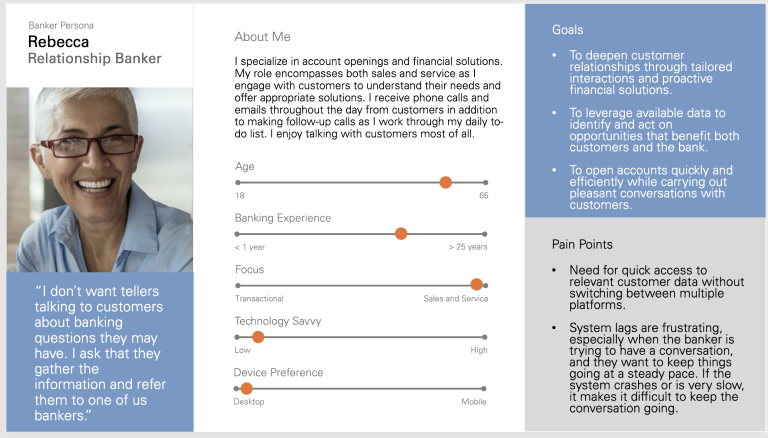
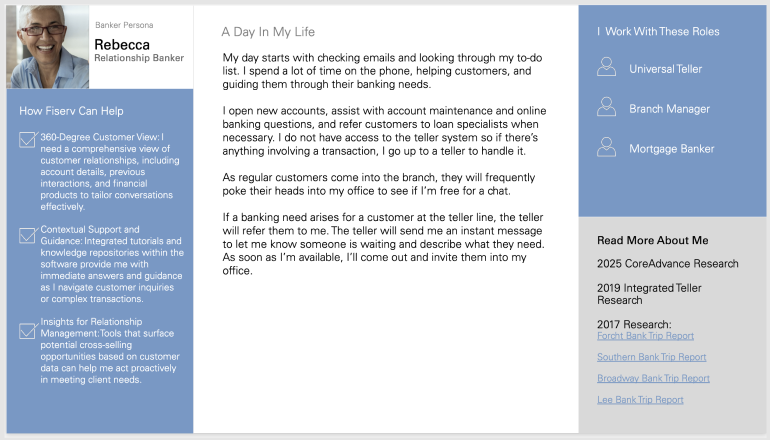
Persona creation based on roles and responsibilities
We uncovered deep insights into:
Daily workflows and “jobs to be done”
Pain points caused by switching systems
Opportunities to reduce cognitive and operational friction
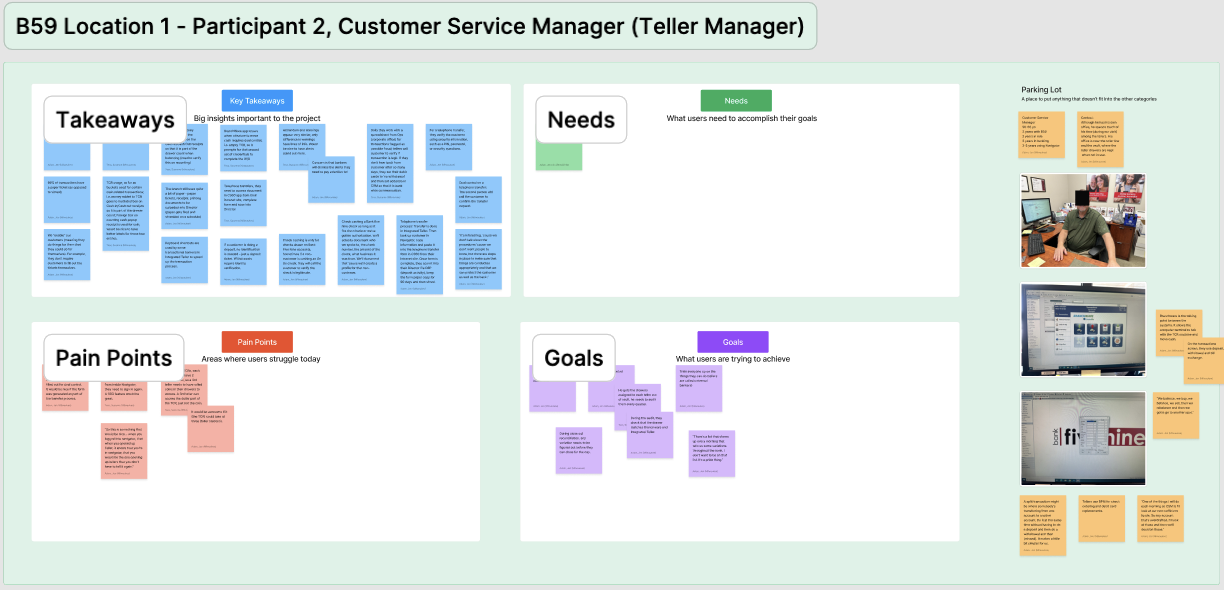
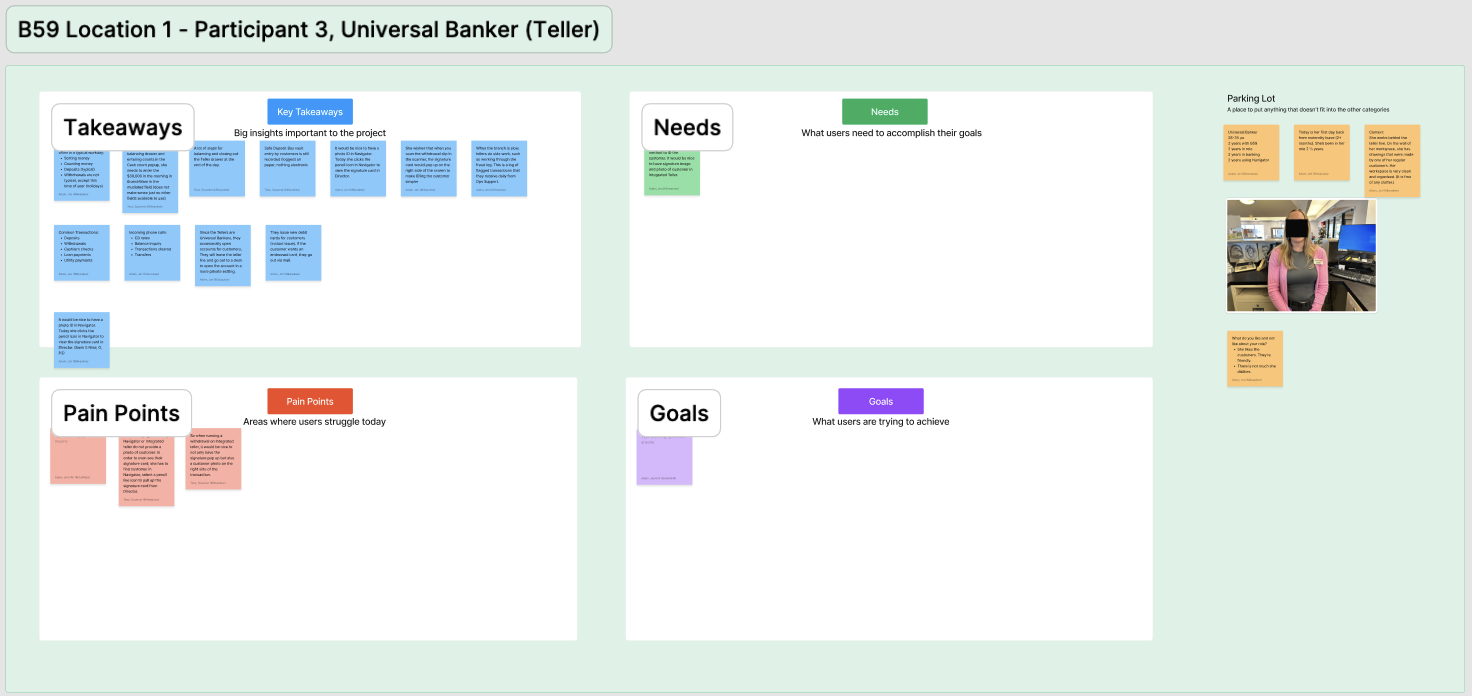
Personas
Continuous Research Model
To maintain ongoing feedback, we established a Client Advisory Panel:
78 members
55 banks represented
Bi-monthly design reviews
This panel became a critical validation mechanism, allowing rapid iteration and strong client partnership throughout development.
Design Strategy
My guiding principle for CoreAdvance:
Unify workflows, not just features.
Rather than merging interfaces, we focused on:
Shared mental models
Consistent navigation patterns
Priority-based information architecture
Scalable design foundations
Key Experience Innovations
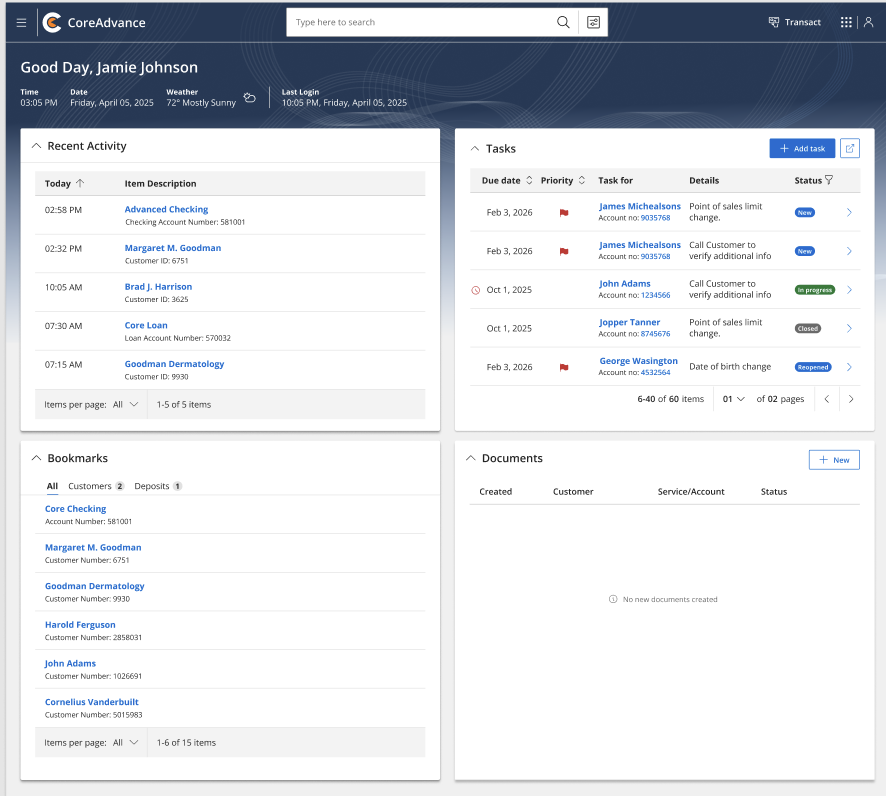
1. Task Tile (CRM integration)
Users prioritized task visibility as a top need.
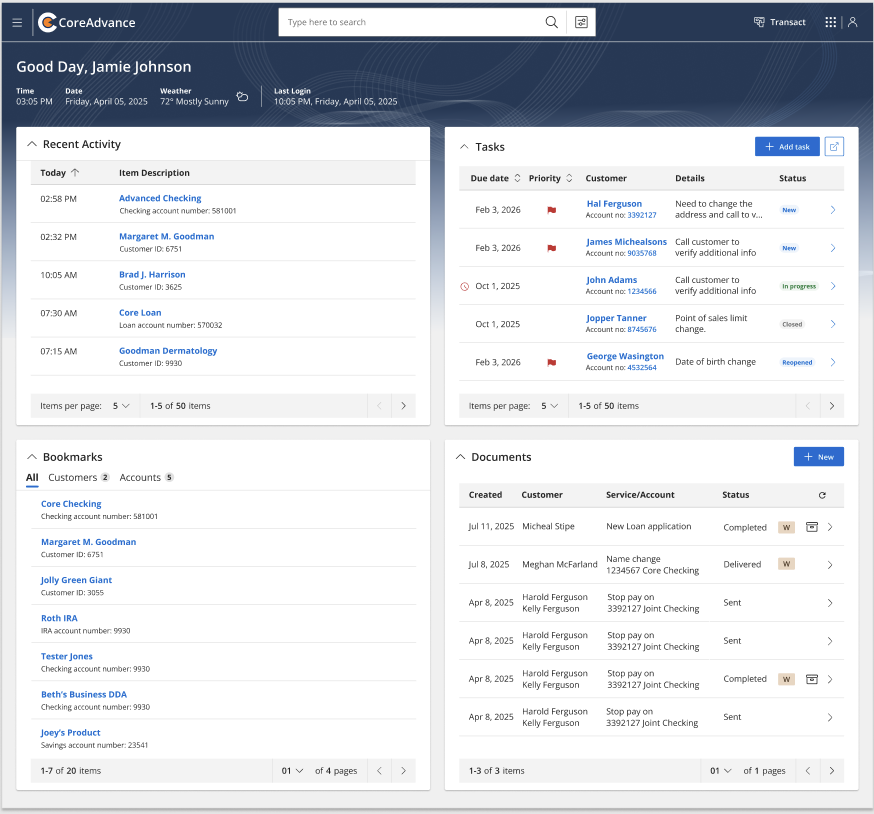
We introduced a Task Tile on the homepage for quick access to actionable work.
Iteration Insight:
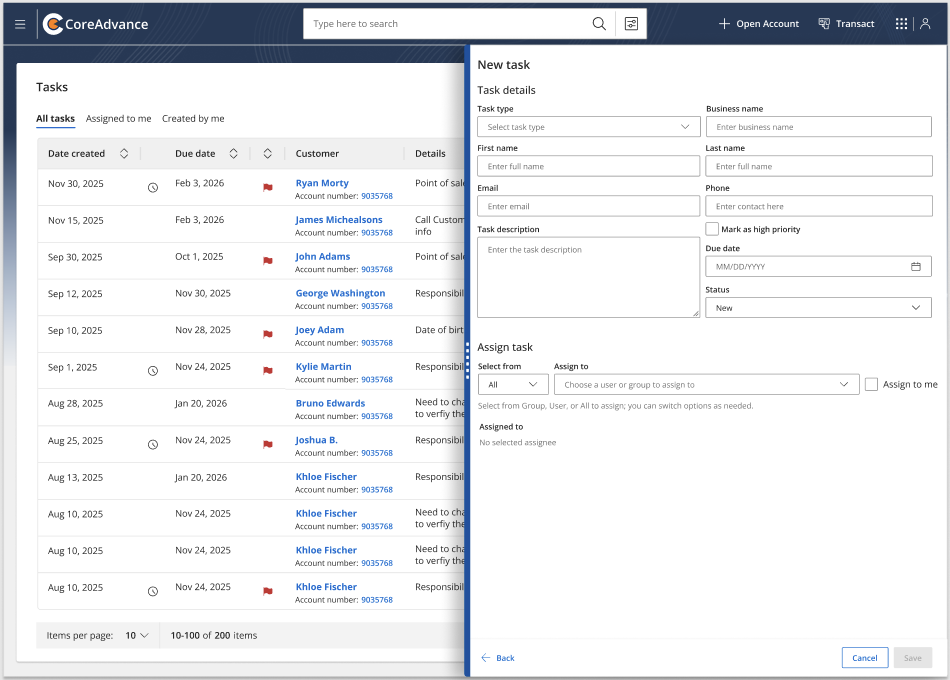
Advisory Panel feedback revealed users needed deeper task visibility, including:
Task ID
Task type
Business name fields
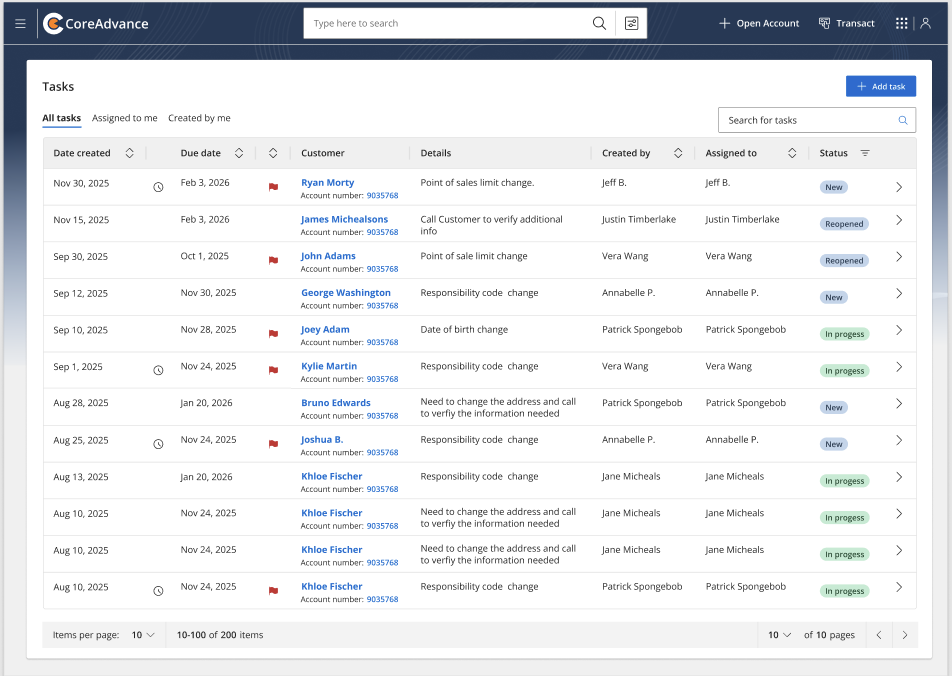
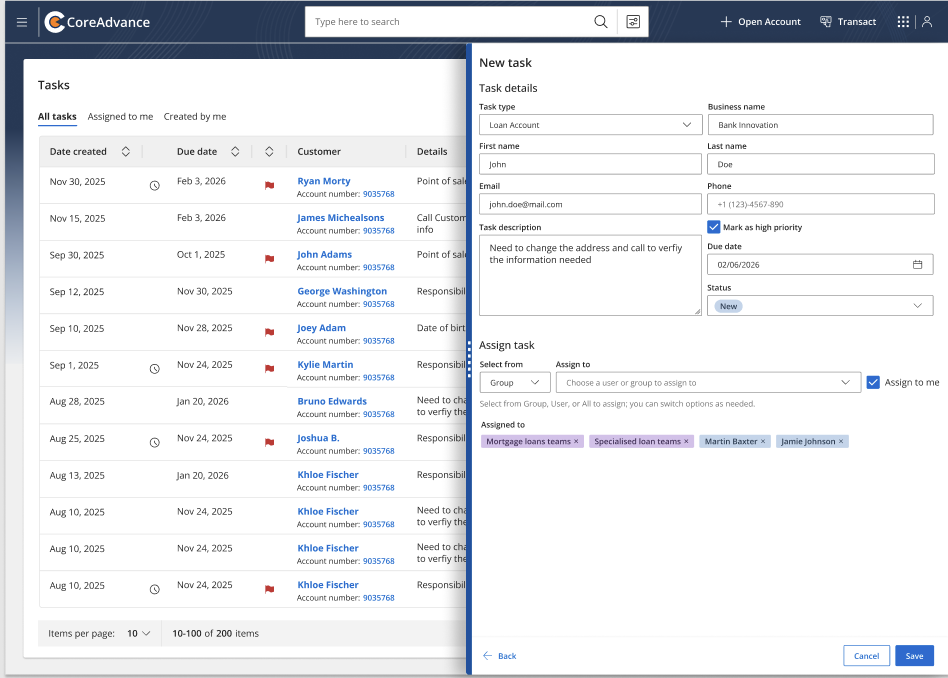
In response, we redesigned the component into an expandable tile, allowing detailed interaction without leaving context.
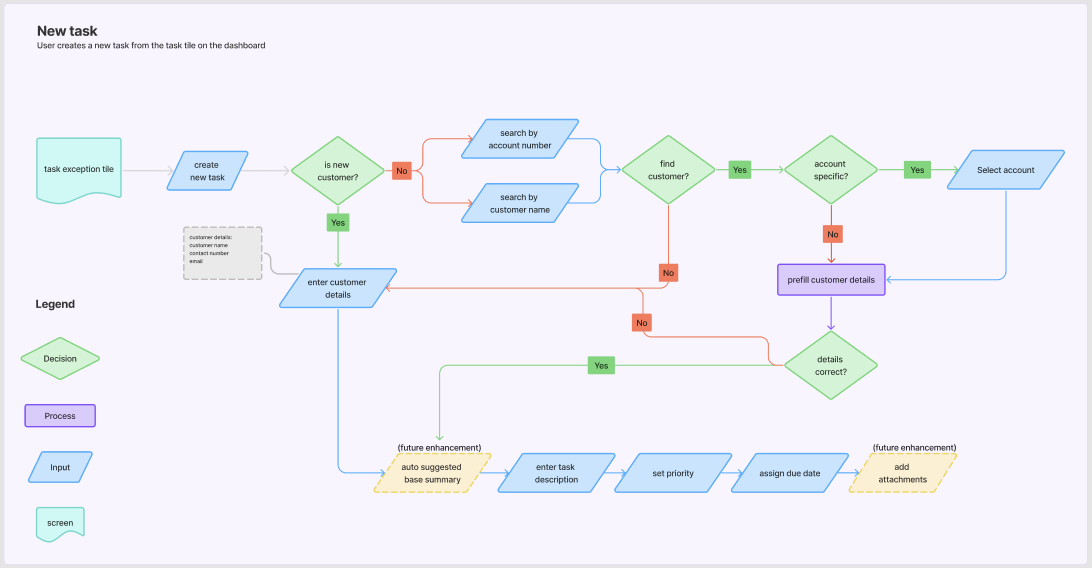
Homepage with the task tile.
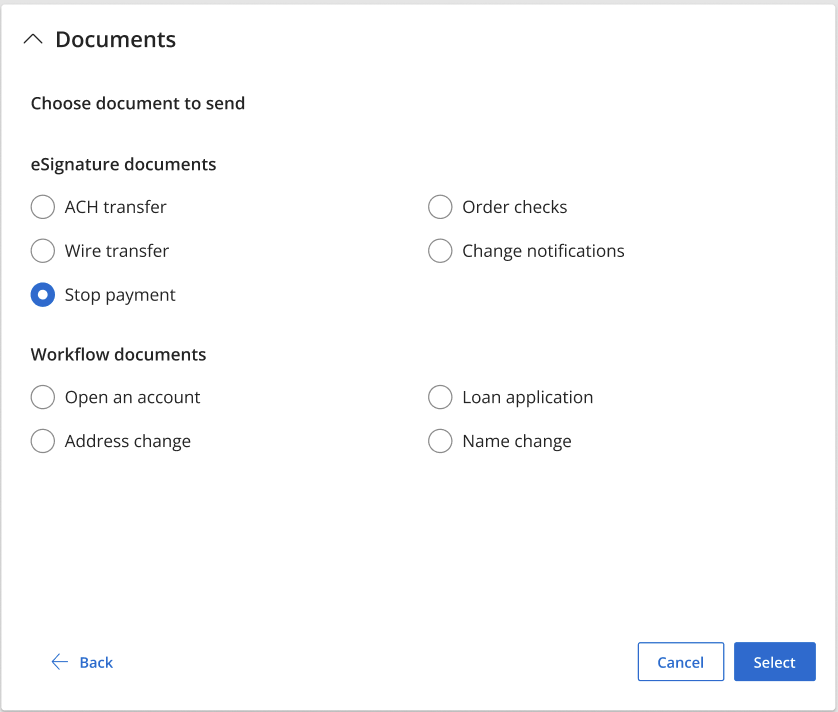
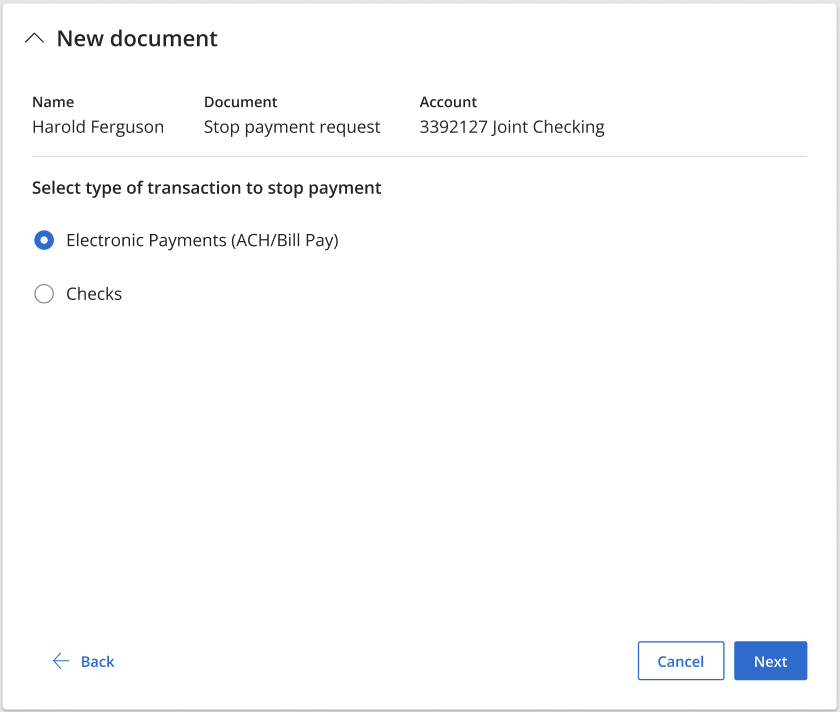
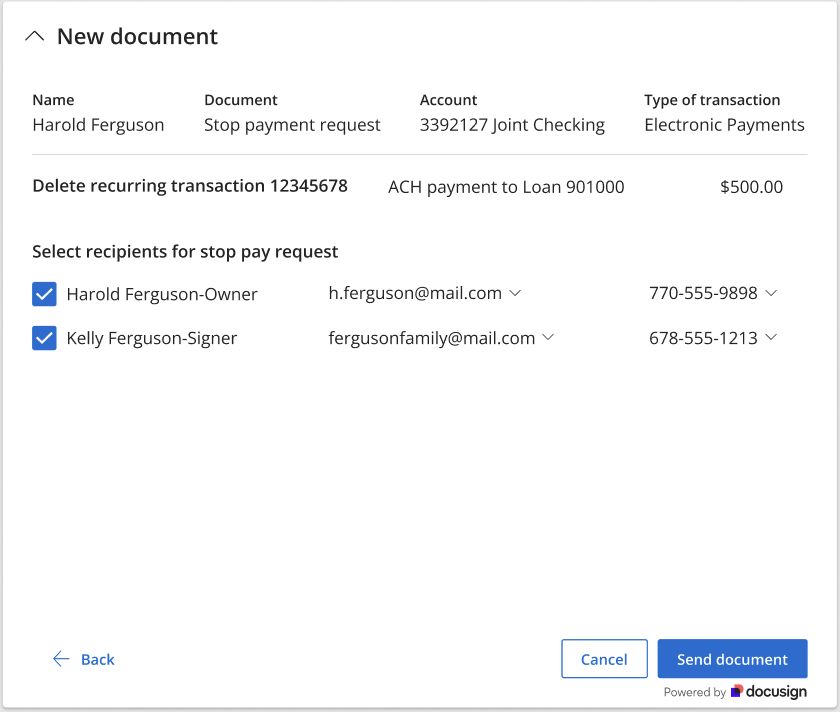
2. Documents Experience
Legacy workflows required faxing, printing, or mailing documents.
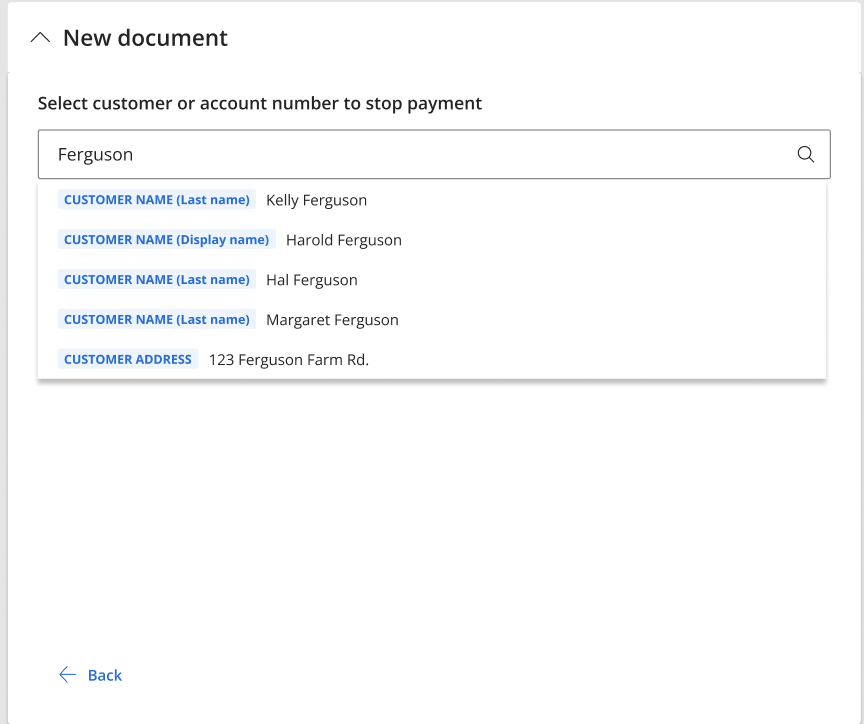
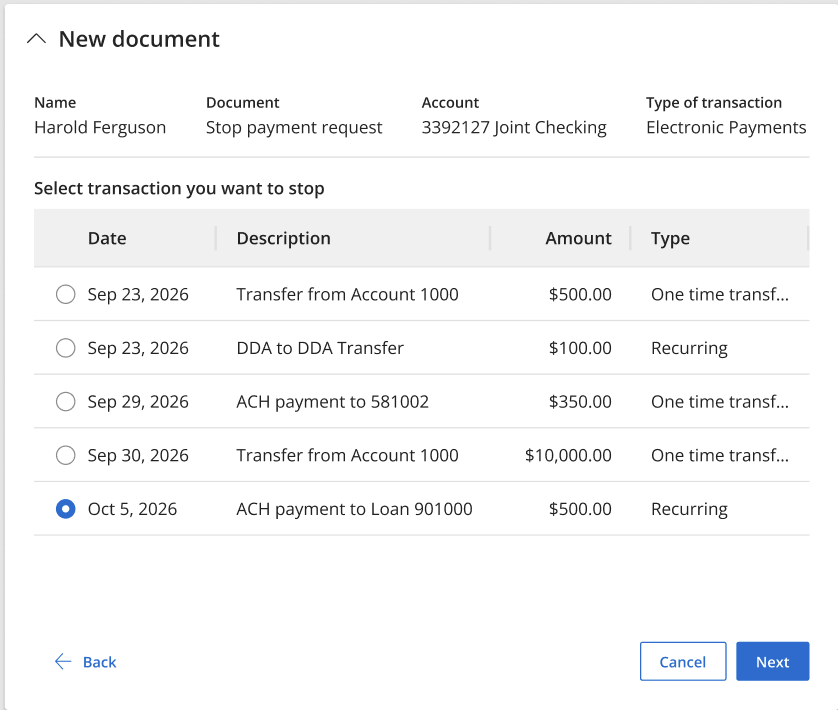
We introduced a Documents Tile enabling:
eSignature workflows
Secure document delivery
Integrated processing via DocuSign partnership
Future phases extend document actions directly into customer and account workflows.
Homepage with the documents tile.
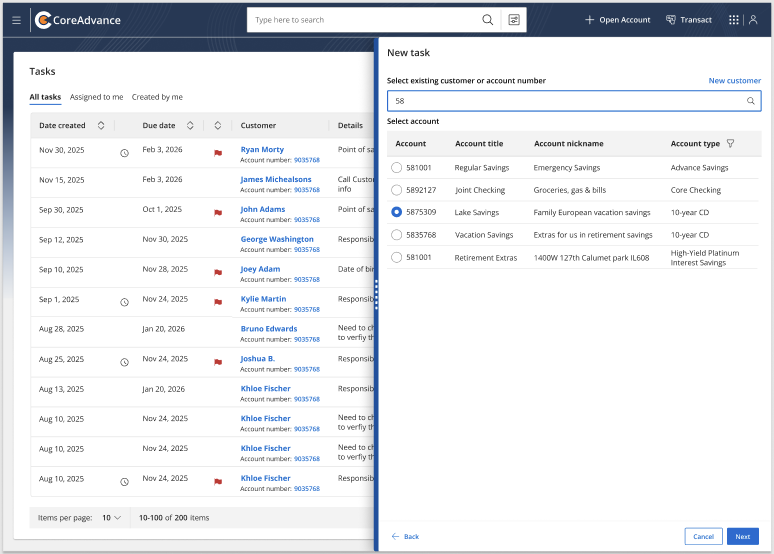
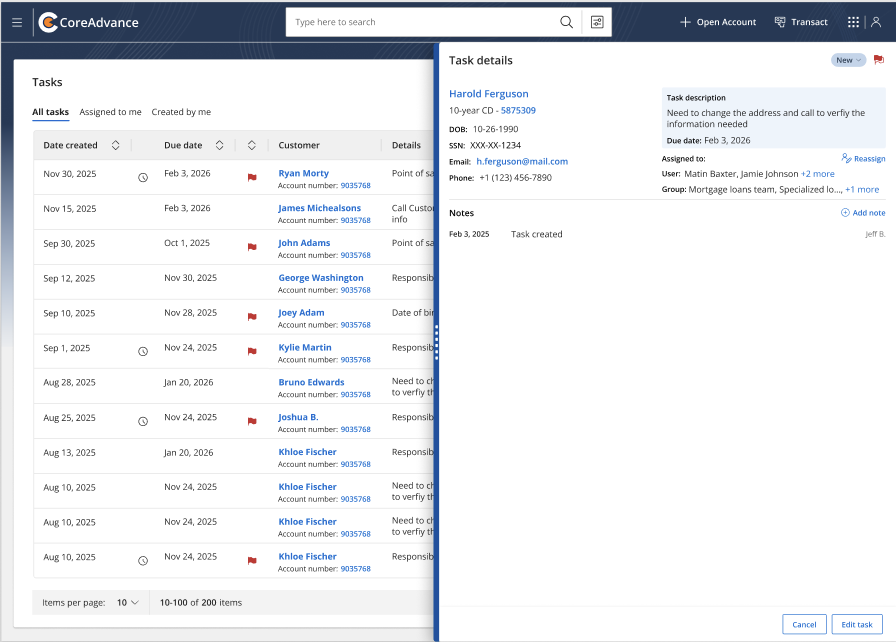
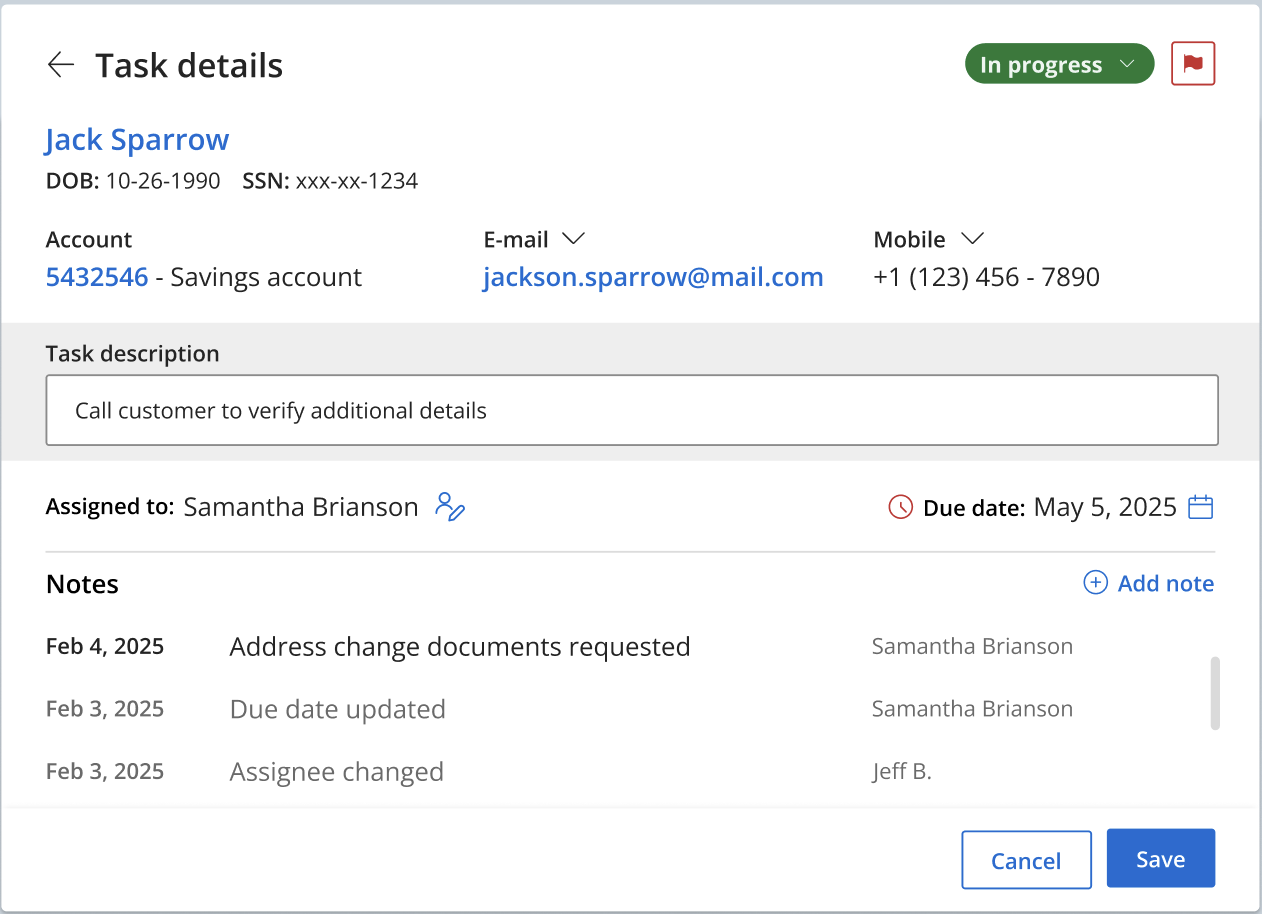
Expanded, full page task tile
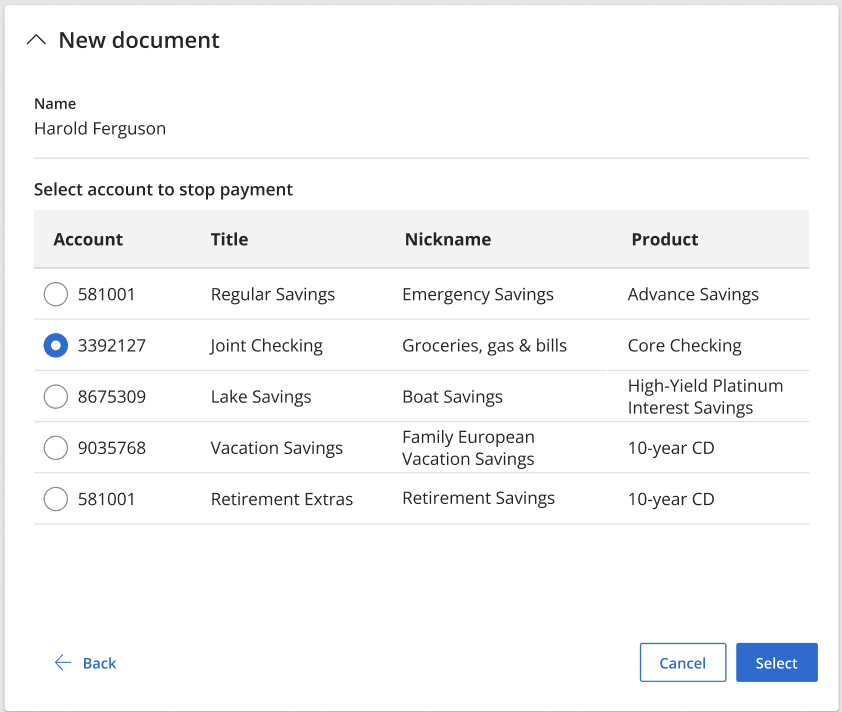
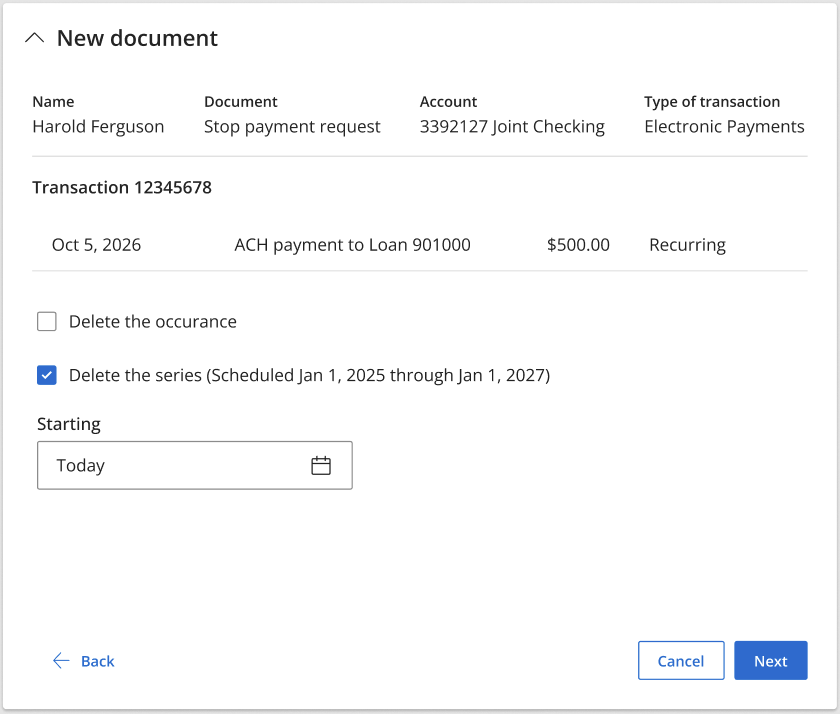
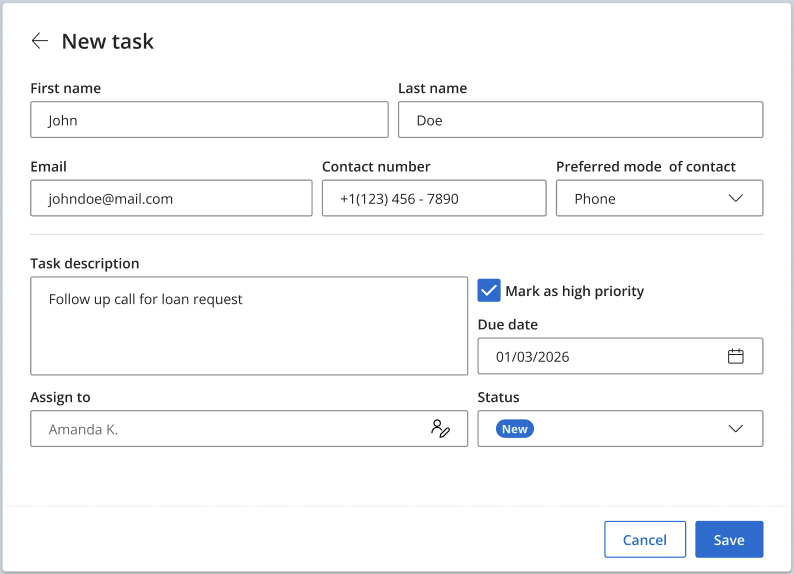
Creating a new task.
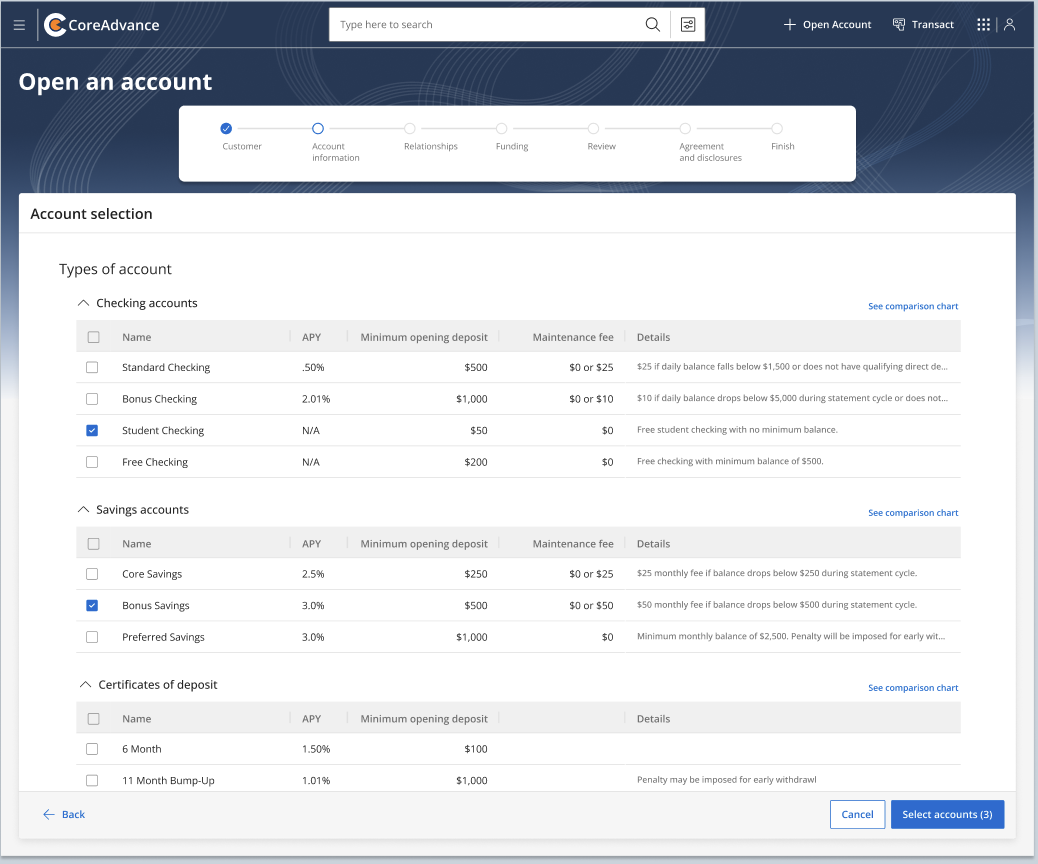
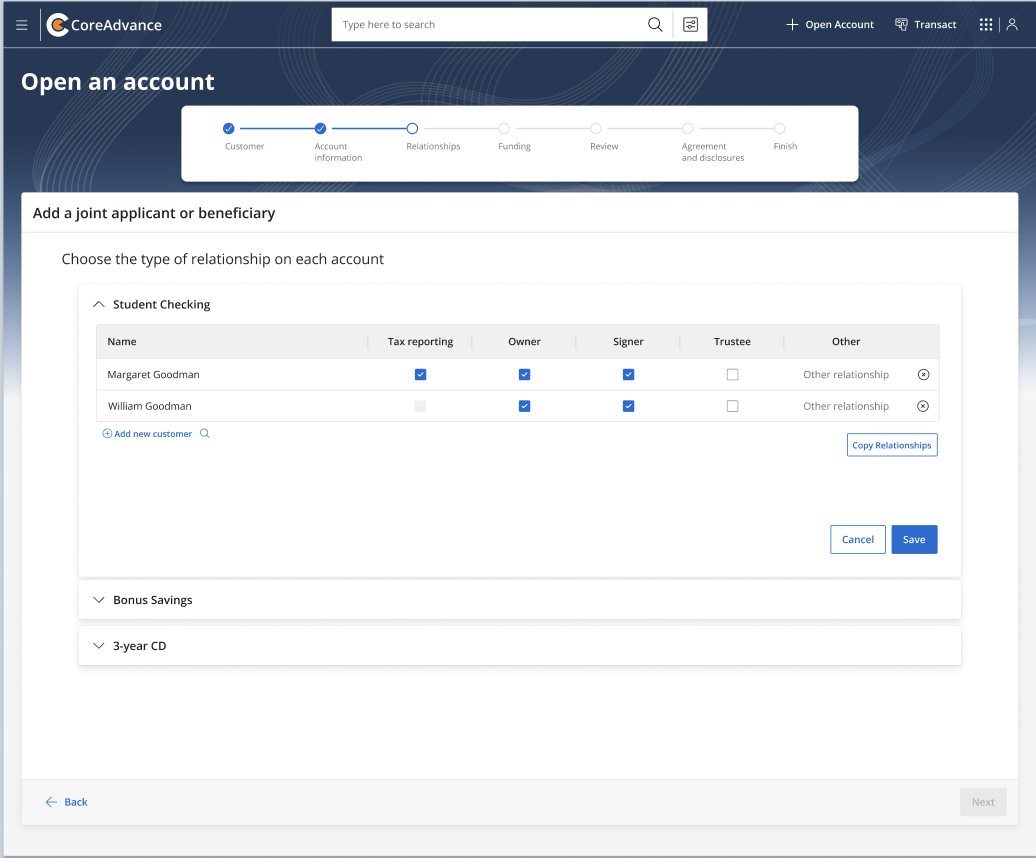
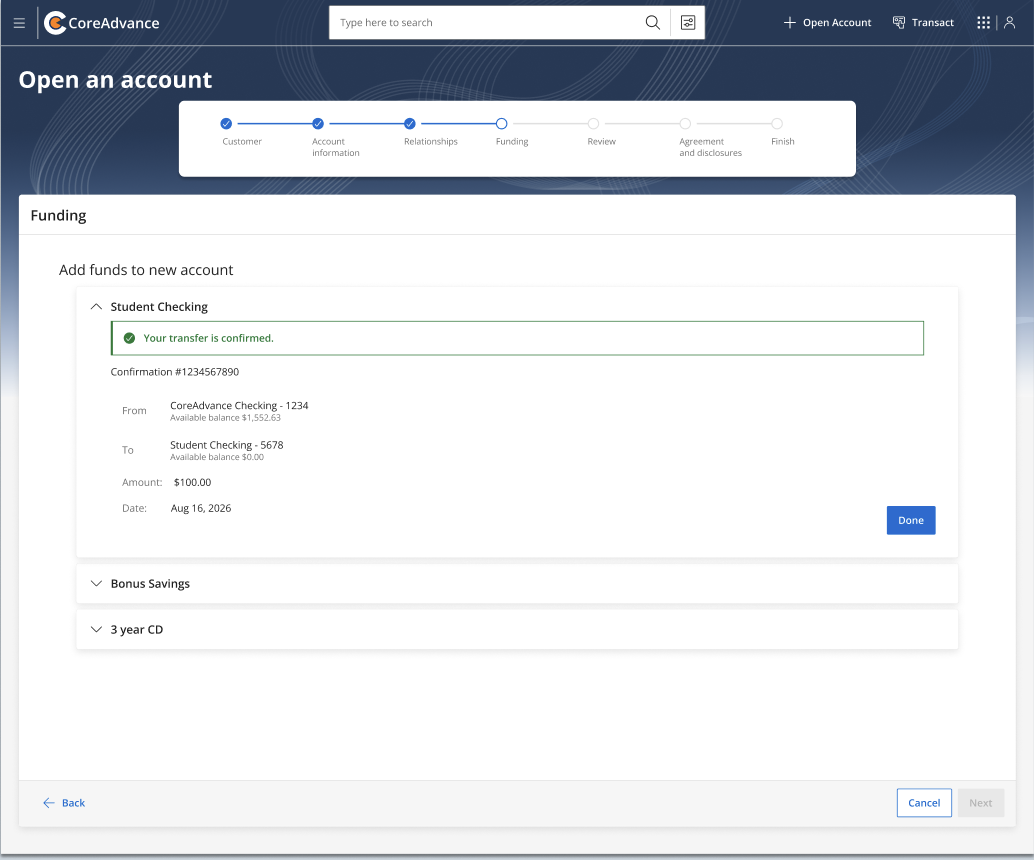
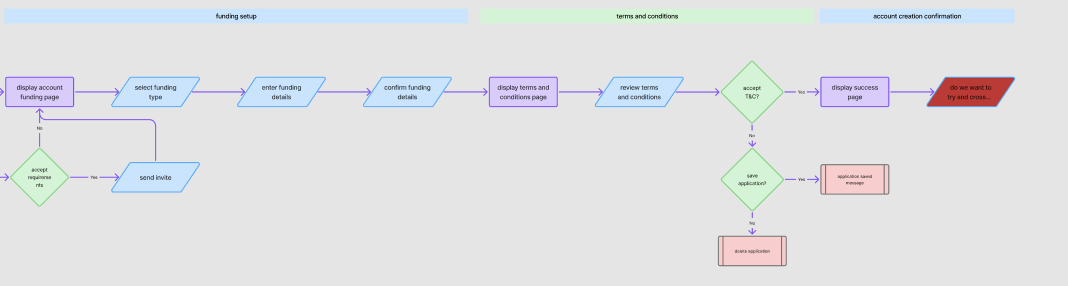
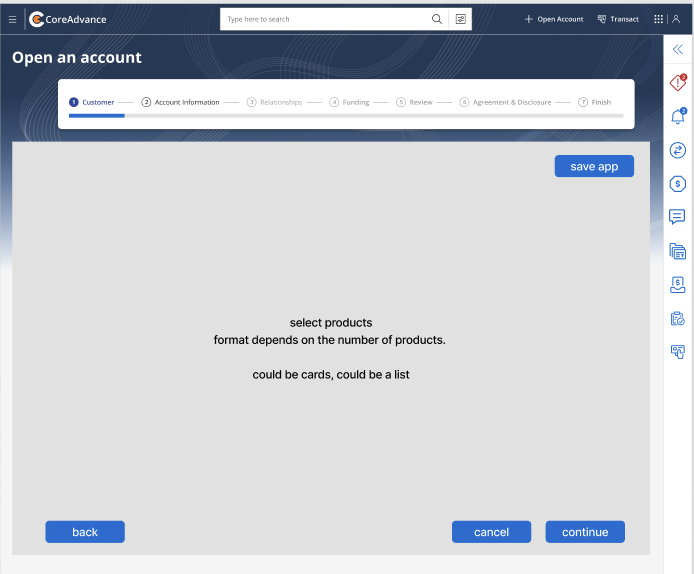
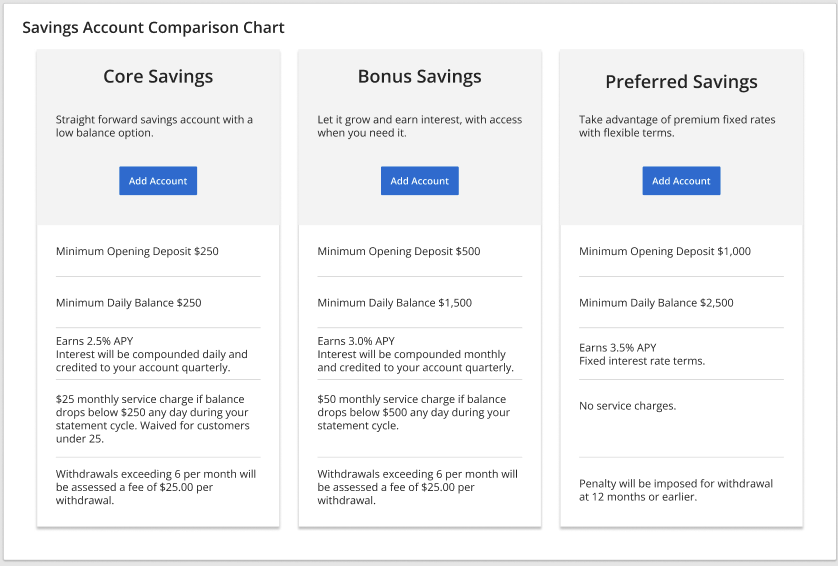
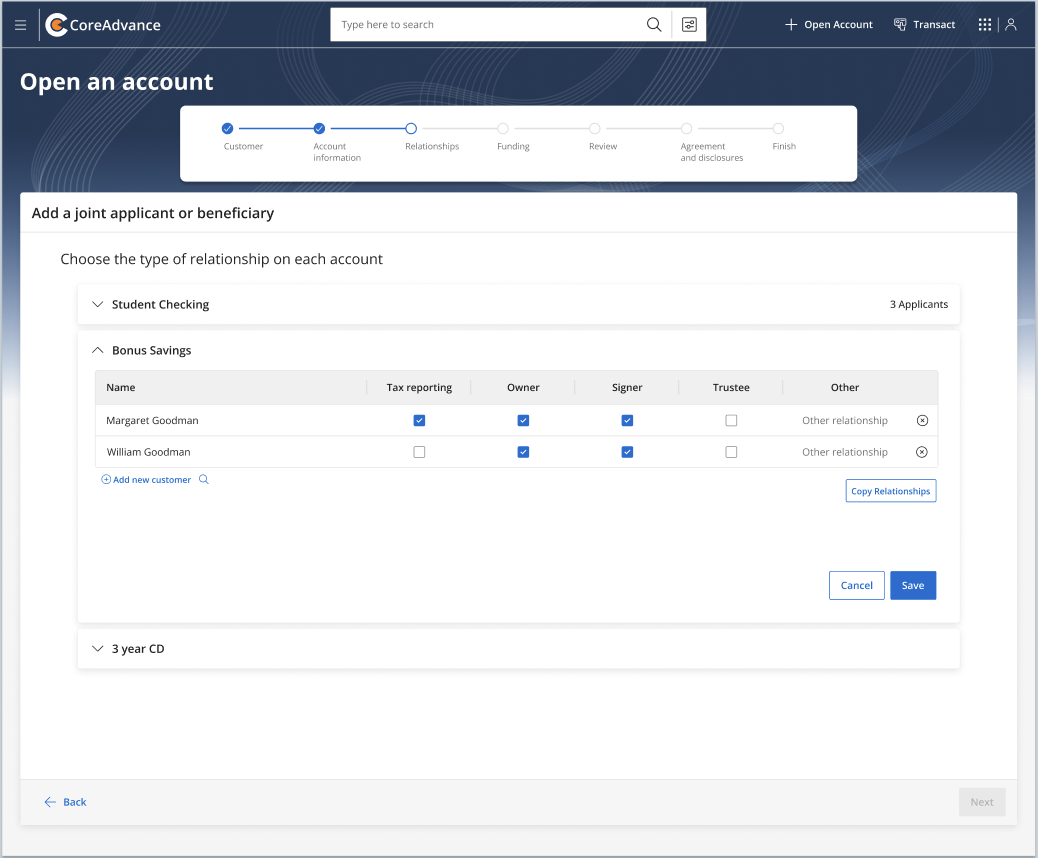
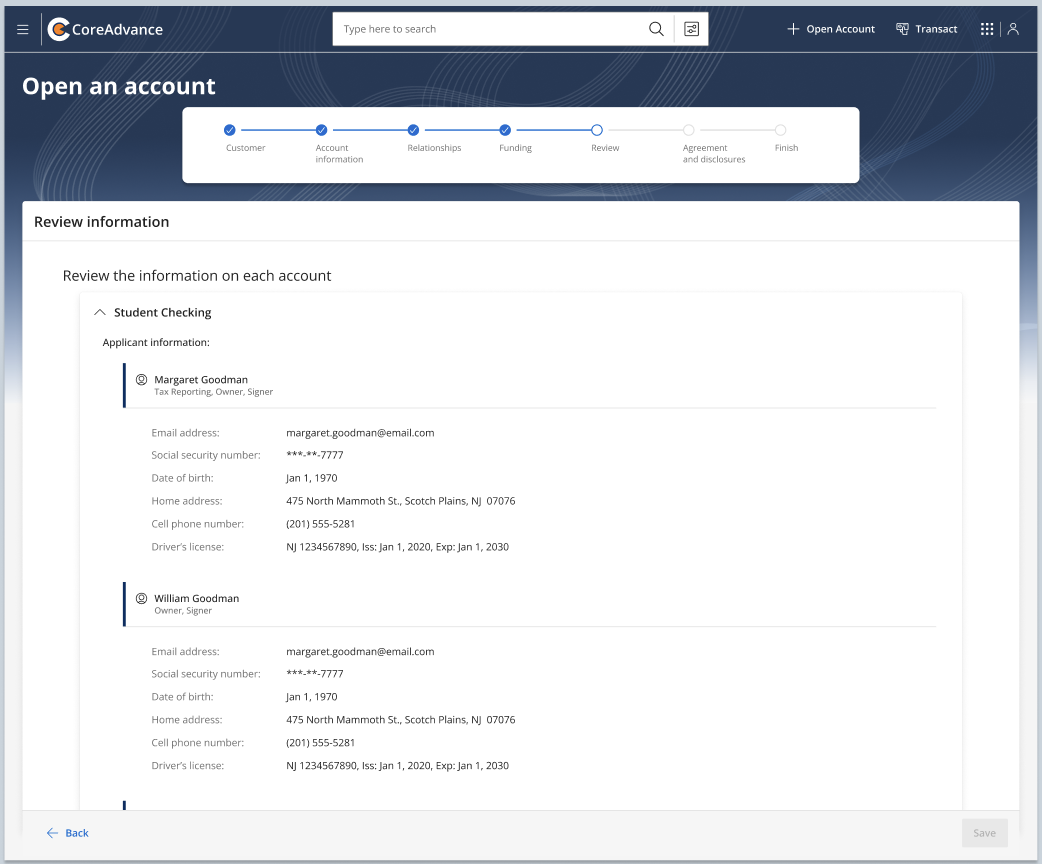
3. Embedded Account Opening
We are designing an integrated account opening experience targeting:
5-minute completion time
(previously ~40 minutes)
This initiative reduces friction for both employees and customers while modernizing onboarding workflows.

Lo-Fi Wireframes
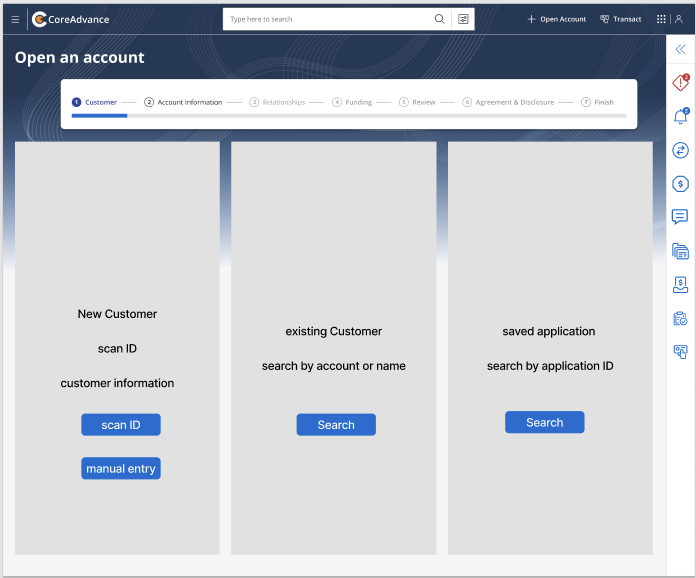
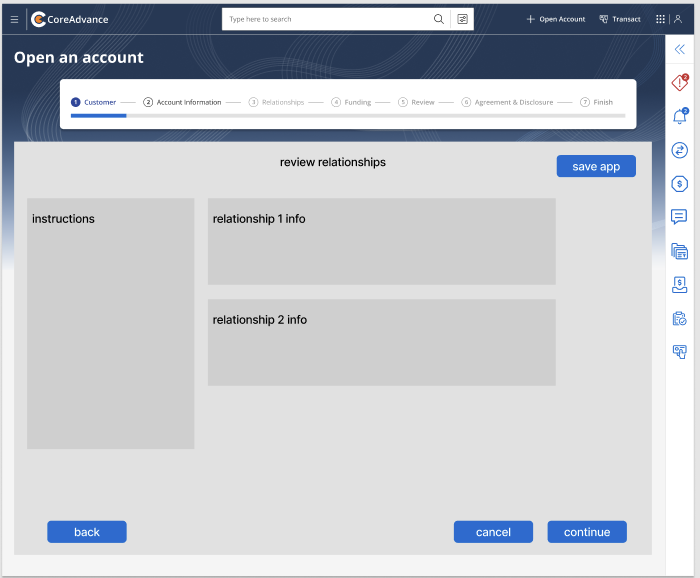
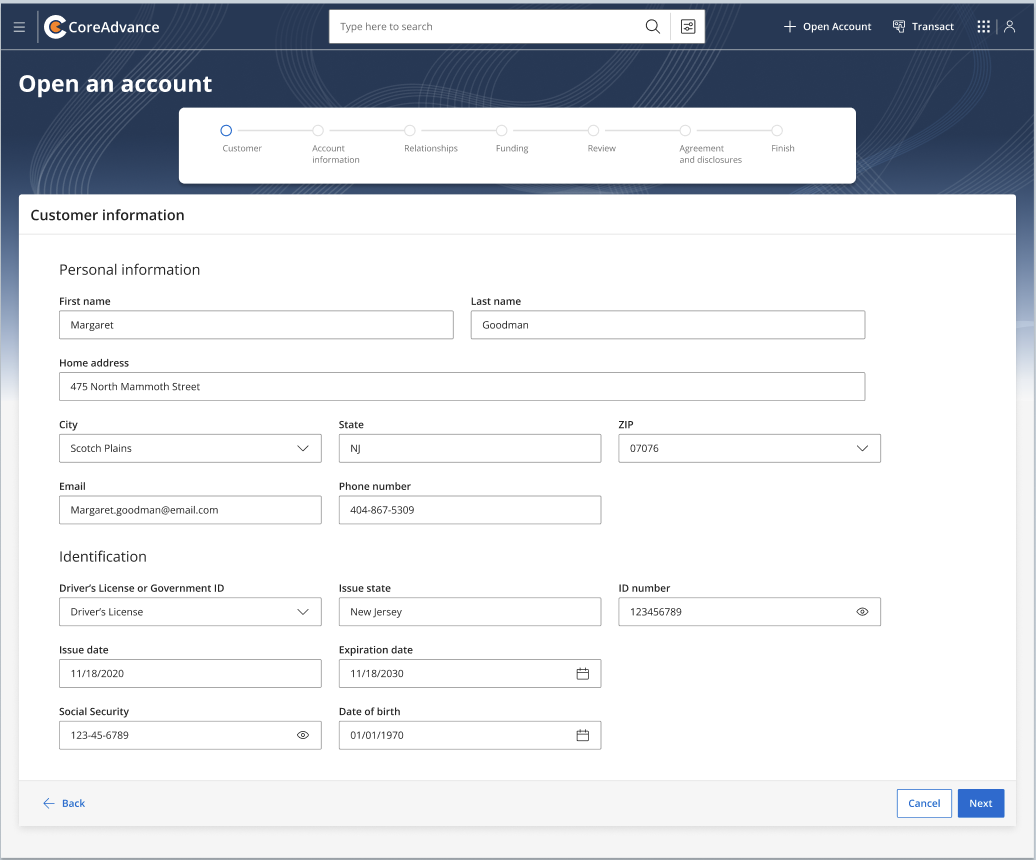
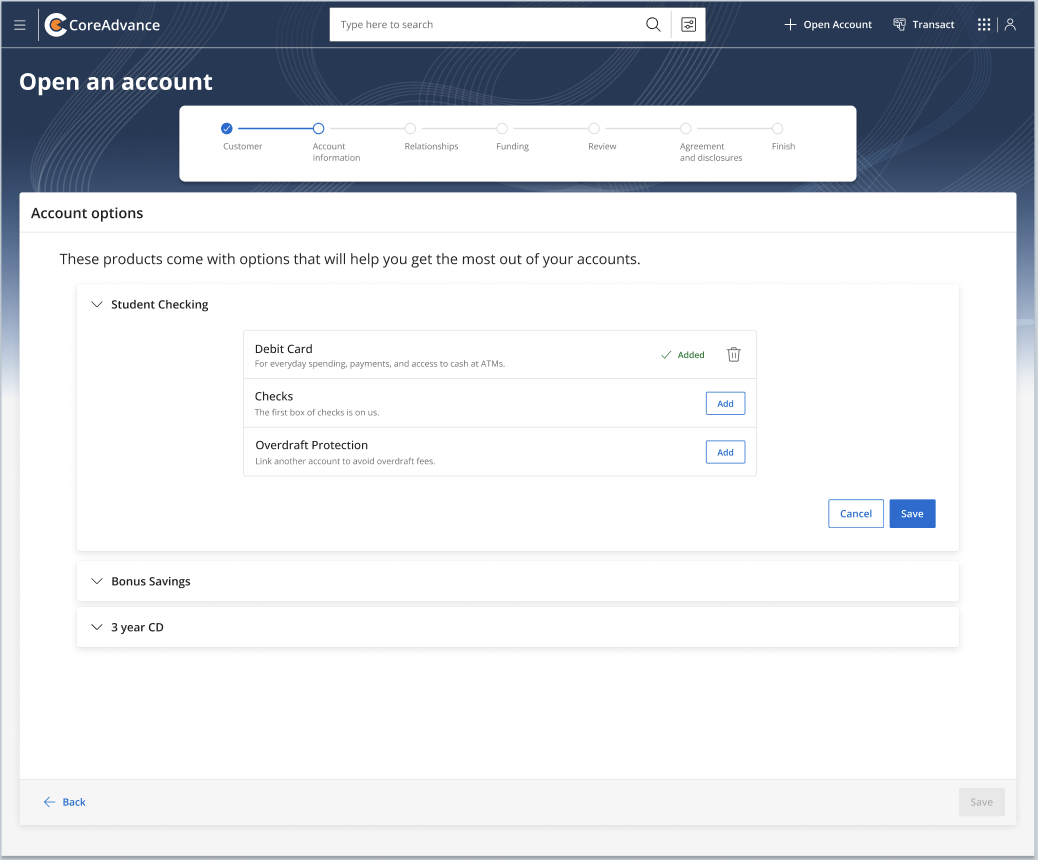
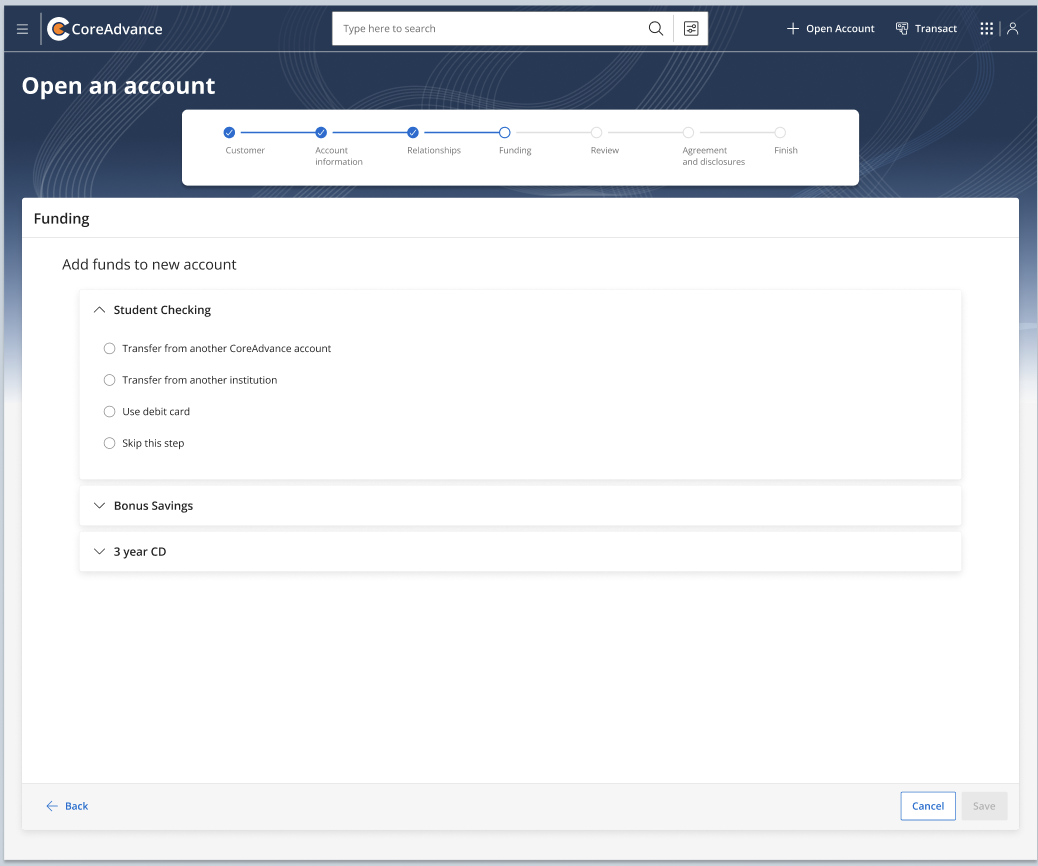

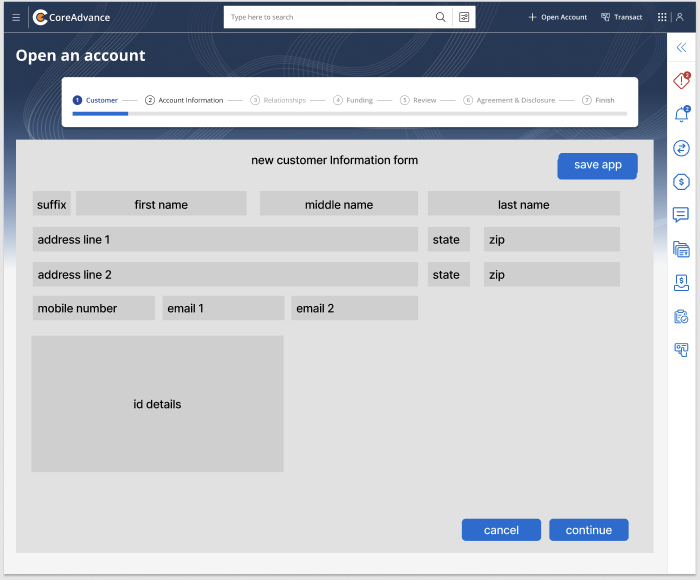
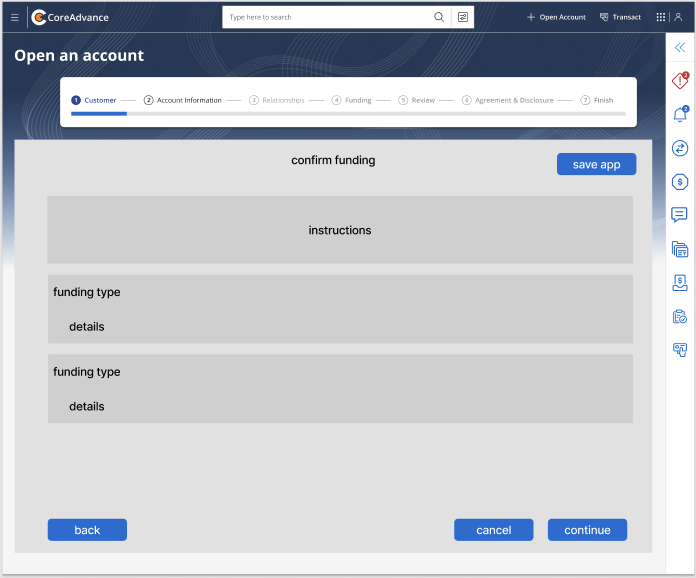
Some of the current account opening screens
Collaboration & Delivery
The project operated in close partnership across disciplines:
Product management
Engineering leadership
Business analysts
Research teams
Client stakeholders
I facilitated alignment by:
Advocating for user-centered priorities
Translating research insights into actionable design direction
Guiding designers toward consistent patterns and scalable solutions
Impact (so far)
Early results demonstrate strong market and client response:
12% increase in CoreAdvance orders within 10 days following Advisory Panel demos
Highly positive client feedback on:
Modern look and feel
Integrated workflows
Iterative, feedback-driven design approach
Executives cited UX innovation and advisory collaboration as key drivers of adoption momentum.
What’s Next
CoreAdvance continues to evolve with upcoming initiatives:
In addition to executing an AI chatbot, we are introducing a cross-platform search with AI integration (cmd/ctrl+k). Users seem hesitant to use AI, so we are implementing an AI-only client panel to gain more detailed knowledge on current use of AI, to accelerate alignment, surface guardrails, and build client confidence.
Expanded Task and Document workflows
Administrative task management and user (employee) management flows
Continued platform-wide UX standardization
Leadership Reflection
As Lead Designer, this project required shifting from designing features to designing systems and alignment.
Key learnings included:
Large-scale transformation depends on continuous user partnership
Enterprise modernization requires redefining workflows, not interfaces
Design leadership means enabling teams and guiding decisions, not owning every screen
CoreAdvance establishes a long-term foundation for scalable innovation across Fiserv’s banking ecosystem.